Fishing Line Prices Revealed: Discovering the Best Value for Your Gear
Grasping fishing line prices is important for anglers looking for value in their gear. The market provides a diverse range of options, each with distinct characteristics and costs. Elements like informative guide composition and brand can heavily influence pricing. As anglers make their way through these choices, they meet both chances and challenges. What should they concentrate on to ensure top performance without breaking their budget? The answers are found in a thorough analysis of available lines and their advantages.
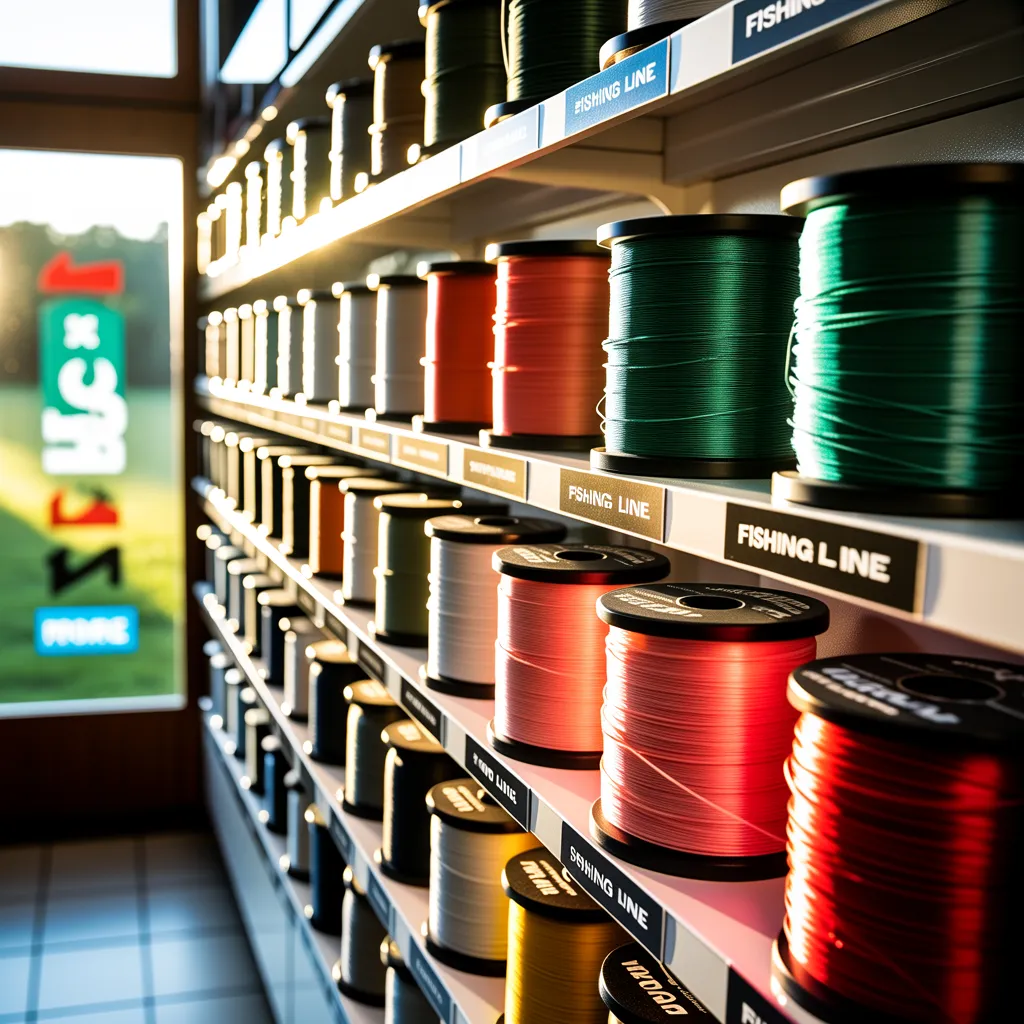
Which Types of Fishing Lines Are Available and What Is the Cost?
When fishermen explore their options, they find a range of fishing lines available, each with distinct features and price points. The most common types include monofilament, fluorocarbon, and braided lines. Monofilament is recognized for its versatility and cost-effectiveness, typically ranging from $5 to $30 per spool. Fluorocarbon, which offers superb invisibility underwater, usually costs between $10 and $50, depending on the brand and diameter. Braided lines, admired for their durability and sensitivity, can vary widely in price, often falling between $15 and $100, depending on the quality and length. Each type serves specific fishing techniques and conditions, influencing an angler's choice. Understanding the distinctions and associated costs helps anglers select the most suitable line for their needs, ensuring they invest wisely in their fishing gear. Ultimately, the right fishing line enhances performance while aligning with budgetary considerations.
Important Considerations Determining Angling Line Prices
Several elements influence the prices of lines for fishing, impacting the final cost for anglers. The type of material used is a primary factor; options such as monofilament, fluorocarbon, and braided lines each have distinct prices due to their production methods and performance features. Moreover, brand reputation plays a crucial role, as well-known manufacturers often apply a premium for their products because of established trust and quality guarantees.
The fishing line’s width, strength, and length also influence pricing variations. Thinner, stronger lines typically command higher prices because of innovative technologies and construction materials. Peak season demand can further affect costs; prices may rise during fishing peak periods as retailers adjust to market trends. Lastly, the packaging with added features, like UV resistance or abrasion resistance, can add to the overall price, making it important for anglers to consider these aspects when evaluating their options.
Guide to Select the Perfect Angling Line that Fits Your Budget
When choosing a line for fishing on a budget, it is vital to first examine individual fishing needs to guarantee the appropriate choice for the type of fishing. Checking various line types can highlight choices that offer quality without overspending. Besides that, capitalizing on timely discounts can bring about considerable savings, making it easier to pick the best line at an affordable price.
Review Your Fishing Preferences
Selecting the best-suited fishing line can considerably impact both effectiveness and budget, so it's vital to consider one's personal fishing needs before purchasing. Anglers need to consider factors such as the form of angling they plan to use, the targeted species, and the surroundings where they will fish. For example, freshwater fishing often requires distinct line features compared to saltwater fishing. Moreover, line robustness, diameter, and visibility are essential in matching the fishing strategies used. Anglers mindful of budget should also assess their fishing frequency, as this often affects the necessity of high-quality lines versus economical alternatives. In the end, a customized approach assures anglers invest wisely in a fishing line that fits their individual demands without overspending.
Evaluate Cable Types
Fishing line options can seem overwhelming, but understanding the various kinds available enables anglers to make informed choices without exceeding budgets. Monofilament lines are cost-effective and flexible, making them perfect for beginners. They have considerable stretch, which helps absorb shocks but may require more frequent replacements. Braided lines, while more costly, provide superior strength and improved feel, allowing for slimmer profile lines. This leads to savings in the long run, mainly for experienced anglers who target larger fish. Fluorocarbon lines, although often the most expensive, provide underwater stealth and excellent abrasion resistance. Ultimately, choosing the right type depends on the fishing environment, target species, and personal preference, allowing anglers to maximize their gear investment.
Browse Limited-time Deals
Seasonal sales provide a valuable opportunity for anglers to find quality fishing tackle at marked down prices. Retailers usually discount fishing gear during certain periods of the year, such as pre-summer or post-holiday sales, allowing frugal fishermen to gather vital supplies. By tracking these sales, fishermen can secure premium lines, including monofilament, braid, and fluorocarbon, without breaking the bank. Additionally, signing up for newsletters or following brands on social media can provide alerts on upcoming promotions. Before purchasing, it is advisable to compare prices across various retailers to guarantee the best deal. Ultimately, strategic shopping during seasonal sales enables anglers to improve their gear while sticking to budget constraints.
Brand Assessment: Price and Quality of Fishing Lines
The fish line market contains an array of brands, each showing distinct options regarding price and standard. Established brands like Berkley and Stren usually command higher fees because of their reputation for reliability and efficiency. Berkley’s FireLine, for instance, is celebrated for its strength and responsiveness, making it a favorite among professional anglers despite its premium charge.
On the other hand, brands like KastKing and SpiderWire deliver economical alternatives at decreased price points, drawing budget-conscious consumers without sacrificing too much on quality. KastKing’s SuperPower line, for instance, boasts impressive tensile strength and abrasion resistance, often at a fraction of the cost of premium lines.
Ultimately, the decision among brands frequently copyrights on the angler’s specific needs, preferences, and budget. Assessing the equilibrium of price and quality can produce more wise purchasing decisions, ensuring that anglers find the top value for their gear.
Prime Places for Buying Fishing Cord Bargains
Where can fishermen find the best deals on fishing line? Many options exist, ranging from local shops to online retailers. Local outdoor stores often have seasonal sales or promotions that can yield significant savings. Additionally, big-box retailers frequently run discounts, especially during peak fishing seasons.
Online venues such as Amazon and eBay deliver competitive prices and user reviews, allowing anglers to compare products easily. Specialty fishing websites usually have exclusive deals or bulk pricing, which can be particularly advantageous for avid fishermen.
Another option to save money includes membership programs at fishing clubs or loyalty programs at major retailers, which may offer discounts or rewards on future purchases. Social media and fishing forums can also notify anglers of flash sales or clearance events. By considering these options, anglers can secure the best value for their fishing line needs.
Usual Mistakes to Avoid When Selecting Angling Line
When selecting fishing line, anglers often overlook important factors that can greatly affect their success on the water. One common mistake is focusing on cost over quality. While budget-friendly options may seem attractive, they can lead to regular breakages or subpar performance. Additionally, many anglers fail to consider the line's compatibility with their specific fishing techniques. Using monofilament for delicate fishing or braided line for heavy cover may produce better results.
Another common oversight is neglecting to match line strength to the targeted species. Choosing a line that is too weak can result in lost catches, while one that is too strong may deter fish. Finally, anglers often undervalue the importance of line visibility; picking the wrong color can affect fish visibility and spook them away. By avoiding these typical pitfalls, anglers can make more educated choices, enhancing their overall fishing experience.
Frequently Inquired Questions
How often do I need to swap out my fishing line?
A fishing line should generally be changed every half a year to a year, depending on how often it’s used and environmental conditions. Indicators of damage, such as tattering or discoloration, show that it’s time for a replacement.
Does Tackle Line Expire or Break Down With Age?
Fishing line can indeed expire or degrade as time passes due to exposure to sunlight, moisture, and chemicals. Regular inspections and appropriate storage can help increase its lifespan, ensuring peak performance during fishing activities.
Exploring the difference between Monofilament and Fluorocarbon fishing lines
Monofilament lines are flexible, providing impact dampening, while fluorocarbon lines are less visible underwater and have greater durability. Each type serves various fishing conditions, influencing choice based on factors like visibility and sensitivity.
Are Eco-Friendly Fishing Line Choices Present?
Yes, eco-conscious fishing line options exist, including monofilament designed to biodegrade and recycled materials. These alternatives seek to minimize environmental impact while maintaining performance, giving anglers responsible options for ethical fishing practices.
Does the shade of line affect how well you fish?
Fishing line color can affect fishing success, as certain hues may be less visible underwater, based on the environment. Anglers often experiment with different colors to determine which yields the best results in specific conditions.